Buy floxes.com ?
We are moving the project
floxes.com .
Are you interested in purchasing the domain
floxes.com ?
domain@kv-gmbh.de · 0541-91531010
Buy floxes.com ?
What are abiotic factors in ecology?
Abiotic factors in ecology are non-living components of an ecosystem that can influence the living organisms within it. These factors include physical and chemical elements such as temperature, sunlight, water, soil, air, and nutrients. Abiotic factors play a crucial role in shaping the environment and determining the types of organisms that can survive in a particular ecosystem. They can also affect the distribution, behavior, and abundance of species within an ecosystem. **
What are abiotic factors in the Antarctic?
Abiotic factors in the Antarctic include extreme cold temperatures, strong winds, low precipitation, and high levels of ultraviolet radiation due to the hole in the ozone layer. The frozen landscape is also a significant abiotic factor, as the ice and snow cover much of the continent. These abiotic factors create a harsh environment that shapes the unique ecosystems and limits the types of organisms that can survive in the Antarctic. **


Similar search terms for Abiotic
Top-Angebote
Products related to Abiotic:
-
Georgia Boot Comfort Core 5 Orthotic Footbed - L Orange Footwear Accessories*Ergonomic Arch Support in the Georgia Boot Comfort Core 5 Footbed relieves foot fatigue and provides added comfort. Air flow channels provide cool circulation. Footbed can be trimmed. M fits U.S. Men's sizes 6 to 8-1/2 and Women's sizes 8 to...28,00 $*Shipping: 6,95 $Secure redirect to the provider
-
Combo Retail Shop Fashion Mens Quartz Wristwatch, Luxury Leather Bracelet, Casual Business Watch Fashion Mens Quartz Wristwatch, Luxury Leather Bracelet, Casual Business WatchUpgrade your style with this Fashion Mens Sports Watch designed for the modern man. This Luxury Leather Bracelet Watch combines elegance and functionality, making it perfect for business, casual, or sports occasions. Its precise Quartz Wristwatch...24,97 $*Shipping: 0,00 $Secure redirect to the provider
-
Combo Retail Shop Fluffy Womens Slippers, Fashion Fuzzy Fur Slides, Autumn Winter Plush, Luxury Designer Flats, Elegant Home Footwear gray 42 43Elevate your home comfort and style with our Fluffy Women's Slippers, designed to combine luxury, warmth, and elegance. Perfect for autumn and winter, these plush, fuzzy fur slides offer a soft, cozy experience while keeping your feet snug and...29,97 $*Shipping: 0,00 $Secure redirect to the provider
-
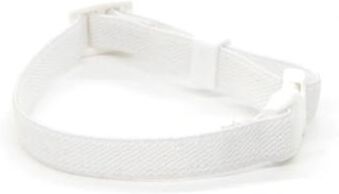
Uplifted Finds Fashion Elastic Comfort Safety Collar white lAdd a touch of elegance to your pet's wardrobe with the Fashion Elastic Comfort Safety Collar. Designed with a focus on both style and security, these collars feature a highstretch elastic band that ensures a snug yet comfortable fit. Unlike rigid...52,97 $*Shipping: 0,00 $Secure redirect to the provider


-
Do tides belong to the abiotic environmental factors?
Yes, tides belong to the abiotic environmental factors. Abiotic factors are non-living components of an ecosystem, and tides are the result of the gravitational pull of the moon and the sun on the Earth's oceans. Tides play a significant role in shaping coastal ecosystems and influencing the distribution of marine organisms. Therefore, they are considered an important abiotic factor in marine environments. **
-
What do abiotic and biotic environmental factors mean?
Abiotic environmental factors refer to non-living components of an ecosystem, such as temperature, sunlight, water, and soil. These factors can have a significant impact on the survival and distribution of living organisms within an ecosystem. Biotic environmental factors, on the other hand, refer to the living components of an ecosystem, including plants, animals, and microorganisms. These factors can also influence the dynamics of an ecosystem through interactions such as predation, competition, and symbiosis. Both abiotic and biotic factors play crucial roles in shaping the structure and function of ecosystems. **
-
What are abiotic and biotic factors in biology?
Abiotic factors in biology are non-living components of an ecosystem, such as temperature, sunlight, water, and soil. These factors can have a significant impact on the organisms living in the ecosystem. Biotic factors, on the other hand, are living components of an ecosystem, including plants, animals, fungi, and microorganisms. These factors interact with each other and with the abiotic factors to create a complex and dynamic environment. Both abiotic and biotic factors play crucial roles in shaping the structure and function of ecosystems. **
-
What are abiotic and biotic factors for humans?
Abiotic factors for humans include non-living elements such as air quality, temperature, and sunlight exposure. These factors can directly impact human health and well-being. Biotic factors for humans involve living organisms that interact with humans, such as pathogens, parasites, and symbiotic organisms like gut bacteria. These factors can also have significant effects on human health and disease. **

What are application tasks related to abiotic factors?
Application tasks related to abiotic factors involve studying the impact of non-living elements such as temperature, water availability, soil composition, and sunlight on various ecosystems. Researchers may investigate how changes in these abiotic factors affect plant growth, animal behavior, and overall ecosystem health. Understanding these relationships is crucial for predicting and managing the effects of climate change, land use changes, and other environmental disturbances on ecosystems. By studying abiotic factors, scientists can develop strategies to conserve biodiversity, restore degraded habitats, and promote sustainable resource management. **
What biotic and abiotic factors affect the wolf?
Biotic factors that affect the wolf include the availability of prey species such as deer, elk, and moose, as well as competition with other predators like bears and cougars. Additionally, the presence of other wolf packs can also impact their territory and hunting success. Abiotic factors that affect wolves include climate, temperature, and the availability of water sources. Harsh winters and limited access to water can impact their ability to survive and thrive in their environment. **
Top-Angebote
Products related to Abiotic:
-
PRiME Fashion Men's Sports Watch LED Large Digital Waterproof Wristwatch For Outdoor & Casual Use Fashion Men's Sports Watch LED Large Digital Waterproof Wristwatch For Outdoor & Casual UseUpgrade your everyday style with this Fashion Men's Sports Watch LED Large Digital Waterproof Multifunction Wristwatcha reliable and rugged timepiece built for active lifestyles. Designed for men who value both function and form, this digital sports...34,97 $*Shipping: 0,00 $Secure redirect to the provider
-
Georgia Boot Comfort Core 5 Orthotic Footbed - M Orange Footwear Accessories*Ergonomic Arch Support in the Georgia Boot Comfort Core 5 Footbed relieves foot fatigue and provides added comfort *Air flow channels provide cool circulation *Footbed can be trimmed *M fits U.S. Men's sizes 6 to 8-1/2 and Women's sizes 8 to 10-1/2...28,00 $*Shipping: 6,95 $Secure redirect to the provider
-
Georgia Boot Comfort Core 5 Orthotic Footbed - L Orange Footwear Accessories*Ergonomic Arch Support in the Georgia Boot Comfort Core 5 Footbed relieves foot fatigue and provides added comfort. Air flow channels provide cool circulation. Footbed can be trimmed. M fits U.S. Men's sizes 6 to 8-1/2 and Women's sizes 8 to...28,00 $*Shipping: 6,95 $Secure redirect to the provider
-
Combo Retail Shop Fashion Mens Quartz Wristwatch, Luxury Leather Bracelet, Casual Business Watch Fashion Mens Quartz Wristwatch, Luxury Leather Bracelet, Casual Business WatchUpgrade your style with this Fashion Mens Sports Watch designed for the modern man. This Luxury Leather Bracelet Watch combines elegance and functionality, making it perfect for business, casual, or sports occasions. Its precise Quartz Wristwatch...24,97 $*Shipping: 0,00 $Secure redirect to the provider
-
What are abiotic factors in ecology?
Abiotic factors in ecology are non-living components of an ecosystem that can influence the living organisms within it. These factors include physical and chemical elements such as temperature, sunlight, water, soil, air, and nutrients. Abiotic factors play a crucial role in shaping the environment and determining the types of organisms that can survive in a particular ecosystem. They can also affect the distribution, behavior, and abundance of species within an ecosystem. **
-
What are abiotic factors in the Antarctic?
Abiotic factors in the Antarctic include extreme cold temperatures, strong winds, low precipitation, and high levels of ultraviolet radiation due to the hole in the ozone layer. The frozen landscape is also a significant abiotic factor, as the ice and snow cover much of the continent. These abiotic factors create a harsh environment that shapes the unique ecosystems and limits the types of organisms that can survive in the Antarctic. **
-
Do tides belong to the abiotic environmental factors?
Yes, tides belong to the abiotic environmental factors. Abiotic factors are non-living components of an ecosystem, and tides are the result of the gravitational pull of the moon and the sun on the Earth's oceans. Tides play a significant role in shaping coastal ecosystems and influencing the distribution of marine organisms. Therefore, they are considered an important abiotic factor in marine environments. **
-
What do abiotic and biotic environmental factors mean?
Abiotic environmental factors refer to non-living components of an ecosystem, such as temperature, sunlight, water, and soil. These factors can have a significant impact on the survival and distribution of living organisms within an ecosystem. Biotic environmental factors, on the other hand, refer to the living components of an ecosystem, including plants, animals, and microorganisms. These factors can also influence the dynamics of an ecosystem through interactions such as predation, competition, and symbiosis. Both abiotic and biotic factors play crucial roles in shaping the structure and function of ecosystems. **
Similar search terms for Abiotic
-
Combo Retail Shop Fluffy Womens Slippers, Fashion Fuzzy Fur Slides, Autumn Winter Plush, Luxury Designer Flats, Elegant Home Footwear gray 42 43Elevate your home comfort and style with our Fluffy Women's Slippers, designed to combine luxury, warmth, and elegance. Perfect for autumn and winter, these plush, fuzzy fur slides offer a soft, cozy experience while keeping your feet snug and...29,97 $*Shipping: 0,00 $Secure redirect to the provider
-
Uplifted Finds Fashion Elastic Comfort Safety Collar white lAdd a touch of elegance to your pet's wardrobe with the Fashion Elastic Comfort Safety Collar. Designed with a focus on both style and security, these collars feature a highstretch elastic band that ensures a snug yet comfortable fit. Unlike rigid...52,97 $*Shipping: 0,00 $Secure redirect to the provider
-
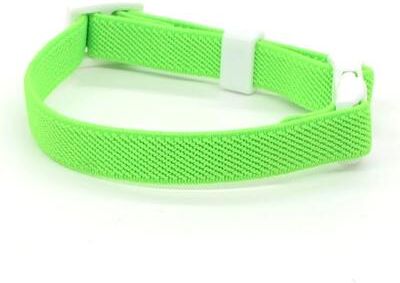
Uplifted Finds Fashion Elastic Comfort Safety Collar fluorescent lAdd a touch of elegance to your pet's wardrobe with the Fashion Elastic Comfort Safety Collar. Designed with a focus on both style and security, these collars feature a highstretch elastic band that ensures a snug yet comfortable fit. Unlike rigid...52,97 $*Shipping: 0,00 $Secure redirect to the provider
-
Uplifted Finds Fashion Elastic Comfort Safety Collar pink sAdd a touch of elegance to your pet's wardrobe with the Fashion Elastic Comfort Safety Collar. Designed with a focus on both style and security, these collars feature a highstretch elastic band that ensures a snug yet comfortable fit. Unlike rigid...52,97 $*Shipping: 0,00 $Secure redirect to the provider
-
What are abiotic and biotic factors in biology?
Abiotic factors in biology are non-living components of an ecosystem, such as temperature, sunlight, water, and soil. These factors can have a significant impact on the organisms living in the ecosystem. Biotic factors, on the other hand, are living components of an ecosystem, including plants, animals, fungi, and microorganisms. These factors interact with each other and with the abiotic factors to create a complex and dynamic environment. Both abiotic and biotic factors play crucial roles in shaping the structure and function of ecosystems. **
-
What are abiotic and biotic factors for humans?
Abiotic factors for humans include non-living elements such as air quality, temperature, and sunlight exposure. These factors can directly impact human health and well-being. Biotic factors for humans involve living organisms that interact with humans, such as pathogens, parasites, and symbiotic organisms like gut bacteria. These factors can also have significant effects on human health and disease. **
-
What are application tasks related to abiotic factors?
Application tasks related to abiotic factors involve studying the impact of non-living elements such as temperature, water availability, soil composition, and sunlight on various ecosystems. Researchers may investigate how changes in these abiotic factors affect plant growth, animal behavior, and overall ecosystem health. Understanding these relationships is crucial for predicting and managing the effects of climate change, land use changes, and other environmental disturbances on ecosystems. By studying abiotic factors, scientists can develop strategies to conserve biodiversity, restore degraded habitats, and promote sustainable resource management. **
-
What biotic and abiotic factors affect the wolf?
Biotic factors that affect the wolf include the availability of prey species such as deer, elk, and moose, as well as competition with other predators like bears and cougars. Additionally, the presence of other wolf packs can also impact their territory and hunting success. Abiotic factors that affect wolves include climate, temperature, and the availability of water sources. Harsh winters and limited access to water can impact their ability to survive and thrive in their environment. **
* All prices are inclusive of VAT and, if applicable, plus shipping costs. The offer information is based on the details provided by the respective shop and is updated through automated processes. Real-time updates do not occur, so deviations can occur in individual cases. ** Note: Parts of this content were created by AI.